
Blog
High-Energy Diet Plan for Runners: Quick Fuel Before Training

High-Energy Diet Plan for Runners: Quick Fuel Before Training
Have you ever started a run feeling motivated, only to lose energy halfway through and wonder if your pre-run meal was to blame? Running demands more than just discipline and mileage. What you eat before training plays a critical role in how strong, light, and energised you feel on the road or track. A well-planned pre-run meal can improve endurance, prevent early fatigue, and support better recovery after your run.
This blog outlines a practical diet plan for runners focused on quick energy before training. It explains the right nutrients, easy food choices, supplement support, and sample meal ideas to help you build a reliable running nutrition plan that suits Indian lifestyles and preferences.
What is a High-Energy Pre-Run Diet and Why Does It Matter?
A high-energy pre-run diet is designed in such a manner that it provides the body with the readily available energy prior to training. The main objective is to restore glycogen levels, maintain hydration, and reduce the breakdown of muscle during the running activity. Regular training to cover long distances along with a structured running and diet plan would make sportsmen consistent in their performance without subjecting themselves to energy crashes. When the body does not get enough energy, it may start using muscle protein for fuel, which can lead to fatigue, reduced speed, and slower recovery.
A balanced pre-run meal is thus a necessity to ensure stamina, mental focus, and efficiency of breathing. Hence, it is a vital part of any good running diet plan.
Key Nutrients Every Runner Needs Before Training
A proper running nutrition plan focuses on the proper balance of nutrients and not heavy or complex meals.
Carbohydrates
The major source of energy for runners is carbohydrates. They break down into glucose, which is stored as glycogen in muscles and the liver. Including carbs before a run might help sustain energy and delay exhaustion.
Examples include fruits, oats, toast, rice-based foods, and bananas.
Protein
Although protein is not a primary energy source, small amounts protect the muscles and help provide stability during the training process. Protein is also useful in post-run recovery when it is included as a consistent part of the overall eating plan for runners.
Electrolytes and Fluids
The loss of sodium, potassium, and fluids occurs due to sweating. Replacing these before training can help eliminate the risk of cramps, dizziness, and early fatigue.
Supplements for Nutritional Gaps
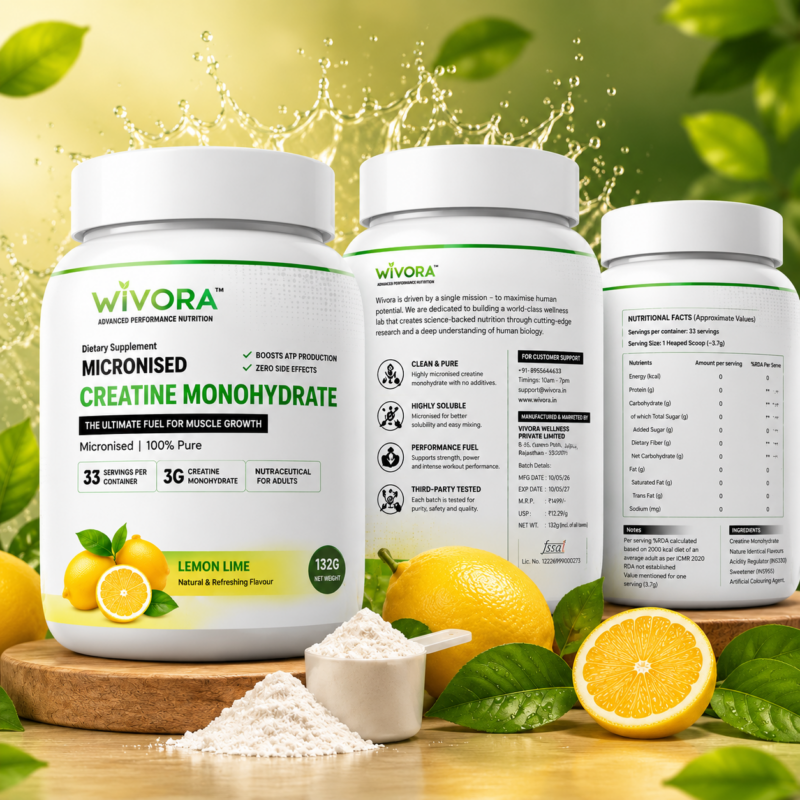
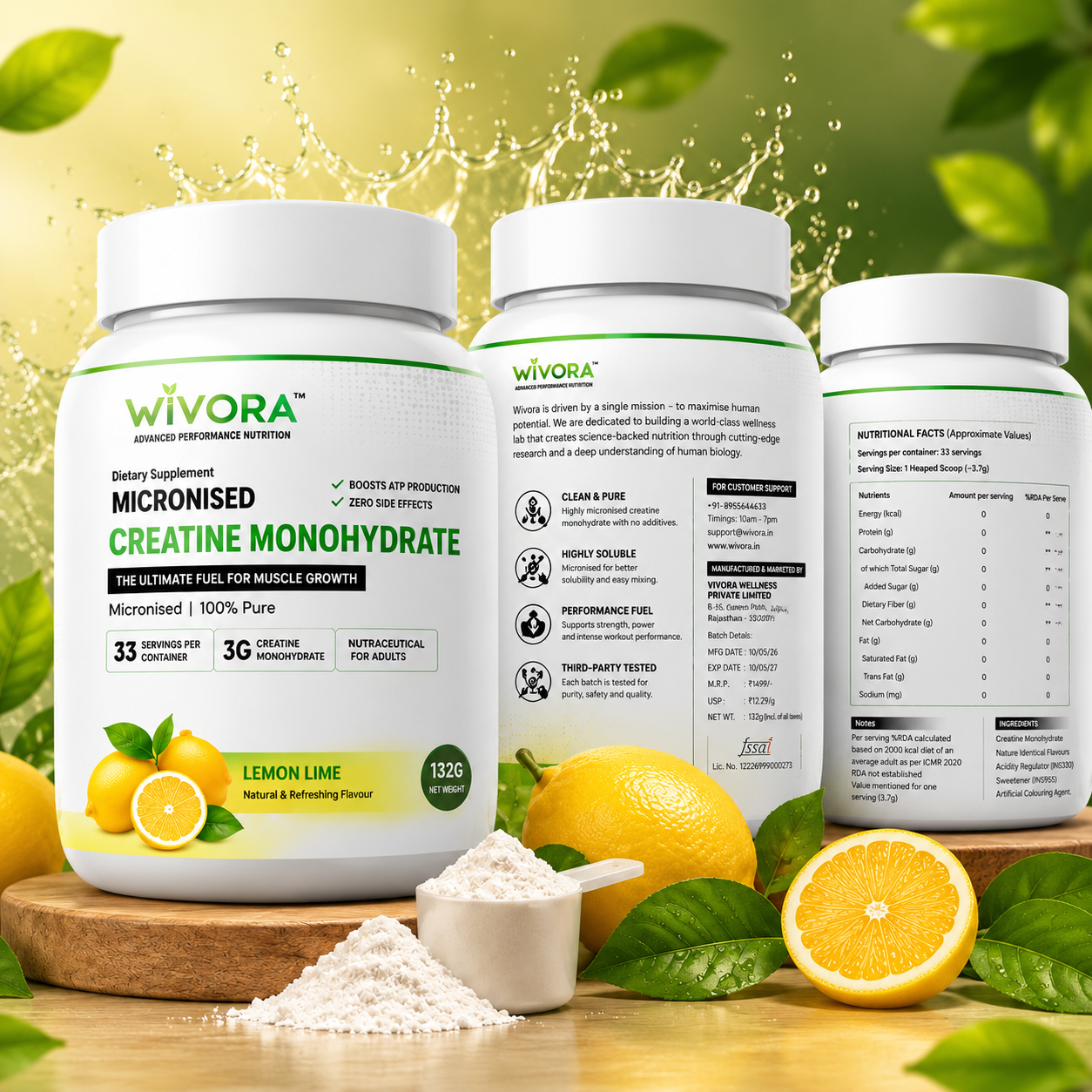
Busy schedules can make it difficult to meet all nutrient needs through food alone. When consumed in a responsible way, high-quality dietary supplements like Shilajit, Creatine, and Youwefit Fish Oil offered by reputable wellness brand Wellversed can be used to fill nutritional gaps and enhance performance.
Easy Pre-Run Foods for Maximum Energy
Pre-run meals are supposed to be light and easy to digest as well as quick to prepare. These options can be integrated into a dietary regimen to be followed by runners:
• Banana with a spoon of peanut butter
• Oats cooked in water with honey
• Toast with jam or mashed banana
• Rice cakes with curd
• Fruit smoothie with dates
For longer runs or marathon training, slightly larger portions may be needed. Many athletes following the diet of a marathon runner rely on simple carbs that digest quickly without causing stomach discomfort.
How to Include Supplements in a Pre-Run Diet
Supplements can support the best diet for runners when used correctly.
• Creatine: Can help with short bursts of speed, hill training, or interval runs by supporting quick energy production.
• Shilajit: Traditionally used to increase stamina and reduce fatigue.
• Fish Oil: Helps keep joints healthy and prevents inflammation, which is beneficial to runners with large weekly mileage.
It is always wise to treat supplements as a support, not a replacement for real food. Your primary energy and nutrition must come from well-balanced meals, with supplements only filling in specific gaps when needed. It is also best to avoid experimenting with new supplements or unfamiliar products just before an important run or race, as they might not suit your body and could cause discomfort or digestive issues.
Sample Pre-Run Meal Plans for Different Timing Scenarios
30 Minutes Before Running
• Banana or dates
• Water or light electrolyte drink
1 to 2 Hours Before Running
• Oats with fruit
• Toast with peanut butter
• Fruit smoothie
Early Morning Run
• A glass of water
• Small fruit or energy bite
These options can be adjusted according to the training intensity and individual tolerance, hence offering a versatile diet chart for runners.
Foods and Drinks to Avoid Before Running
Certain foods may disrupt digestion or cause discomfort during a run.
• Fried or oily foods
• Very spicy meals
• Excessive fibre
• Sugary aerated drinks
• Heavy dairy items
Avoid experimenting with unfamiliar foods close to training sessions. Consistency is key to a reliable running and nutrition plan.
How to Make This High-Energy Diet Work for You
Every runner is different. Factors such as distance, pace, weather, and digestion affect what works best. Start with small portions and observe how your body responds.
Pre-planned meals help maintain discipline and minimise the chances of poor meal choices. Dietary plan of a runner must vary according to the training load and personal objectives with time. Different bodies respond in various ways to food, hydration, and supplements; something that suits one runner might not work the same way for a different runner. Paying attention to how your body feels during training, recovery, and performance allows you to fine-tune your diet in a way that truly supports your needs.
The Final Words
A high-energy pre-run diet is not about loading up on food. It involves ensuring that one chooses the right nutrients, in the right quantity, and at the right time so that the body feels energised, light, and capable of performing at its best without any inconvenience. Runners can train more effectively and recover better by focusing on simple carbohydrates, proper hydration and supportive nutrients.
A structured running nutrition plan combined with quality Wellversed products and consistency can significantly improve performance. Whether you are a beginner or training for long distances, building a personalised running and diet plan will help you feel stronger, lighter, and more confident with every run.